
Bhagavat Grace, Spiritual Progress, and the Power of Devotion: Key Insights from a Transformative Satsang
In today’s fast-paced world, finding spiritual direction can be challenging. A recent spiritual discourse sheds light on the essential path to inner growth, focusing on Bhagavat (Divine) Grace, the importance of saints and scriptures, and the transformative power of devotion, or bhajan. Let’s explore the core teachings and wisdom shared in this thought-provoking satsang.
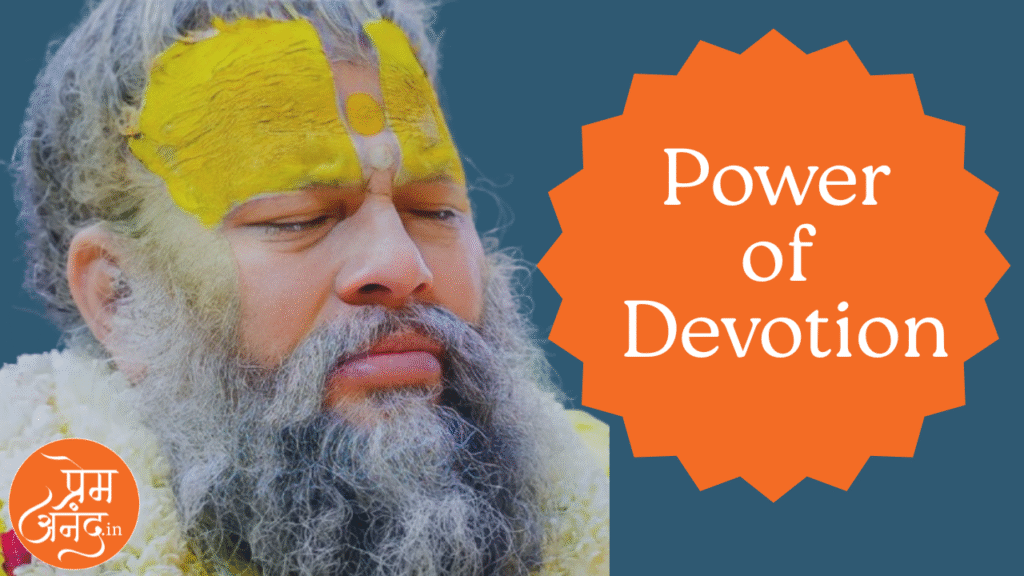
Aligning Life with Scriptural Guidance
True spiritual betterment isn’t achieved by simply following whims or desires. The speaker emphasizes that improvement must align with Shastra (scriptures), Sant Vani (sayings of saints), and the instructions of a Sadguru. Authentic growth comes from transcending attachments such as lust, anger, greed, ego, and jealousy. Wrong conduct leads to anxiety and spiritual downfall, while righteousness and self-control result in both inner and outer upliftment.
Divine Grace: Spontaneous and Supreme
One of the discourse’s highlights is the unique nature of Bhagavat Kripa (Divine Grace). This grace is causeless, unpredictable, and independent of rituals or prayers. It may descend at any moment, blessing those open to its influence with the company of saints. Saints’ grace follows Divine Grace, helping individuals realize their divine essence. The discourse beautifully explains that saints and God are ultimately inseparable; however, it is God’s grace that brings the saint’s grace into our lives.
Prarabdha Karma versus Grace
Many people believe that destiny controls all aspects of life. However, the speaker clarifies that while prarabdha karma (destiny) determines pleasure and pain, spiritual evolution depends only on Divine Grace and sincere devotion. Spiritual progress is not subject to fate; instead, it is a gift from the divine, available to those who surrender themselves in devotion. The rare gift of human birth itself is due to God’s grace, not merely the outcome of karma.
Bhajan: The Heart of Devotion
Continuous chanting, remembrance of God’s name, and devotion (bhajan) are promoted as the highest forms of spiritual practice. Bhajan alone cultivates the ultimate love (prem) for God, leading to true wisdom and divine realization. Without love and bhajan, the speaker affirms, divine realization remains unattainable. It is also essential to overcome tamasic (inactive or lazy) tendencies to advance in spiritual practice.
Saints, Gurus, and Their Transformative Power
Saints and gurus are to be equally revered, for they play interconnected roles on the spiritual journey. Love for saints is believed to arise through the grace of one’s guru, and any disrespect toward saints can negatively affect a devotee’s relationship with their guru. Saints come in different forms—some may appear ordinary or eccentric—but all fulfill a higher spiritual purpose.
Beyond Moksha: The Realm of Divine Play
Moksha, or liberation, is described as the merging of individual identity into the vast ocean of the divine. Yet, the discourse goes beyond liberation to highlight the eternal play (Lila) in which devotees enjoy unique and loving relationships with God. These experiences transcend even the bliss of moksha, promising eternal joy and divine companionship.
Contemporary Challenges: Upholding Dharma and Family Values
The discourse addresses the societal and moral challenges of our era, including the decline of traditional values due to westernization, changing lifestyles, and loss of character. There is a renewed call to maintain dharma (righteousness), purity, and devotion, especially within families. Mutual love, respect, and adherence to traditional Hindu values between husband and wife are emphasized as keys to a harmonious family life.
The Purifying Power of Name and Satsang
Chanting the holy name—especially Radha-Krishna—is considered the ultimate purifier, capable of erasing sins and granting both material and spiritual prosperity. Satsang, or holy company, is promoted as essential for rekindling spiritual enthusiasm, even amidst challenges or when living abroad.
Guru’s Grace and Complete Transformation
Perhaps one of the most inspiring aspects is the faith in Guru’s grace, which is said to descend unexpectedly and can completely transform the most fallen souls. Complete surrender and intense devotion are encouraged, with illustrative stories provided of transformation through grace.
Practical Spiritual Guidance
- Avoid intoxicants, meat-eating, and immoral behavior to preserve spiritual progress.
- Simplify life, control desires, and focus relentlessly on God’s name.
- Maintain unwavering resolve to realize God.
- Continue devotion and spiritual discipline in the face of obstacles or distractions.
- Appreciate the positive role modern medicine and science can play alongside spiritual practice.